Condensation on Your AC: What's Normal and What's a Warning Sign

Now that the North Atlanta heat has settled in for good, plenty of homeowners are noticing moisture around their AC system and wondering: is this normal, or a red flag? It's a fair question, and the good news is that a little condensation is expected. The key is knowing where it should show up, and where it shouldn't.
Why Your AC Sweats in the First Place
Your air conditioner's job is to pull heat and humidity out of the air inside your home. As warm, moist air passes over the cold evaporator coil, that humidity condenses into water, much like a cold glass of sweet tea sweats on a July afternoon. Our Temperature Tailors see this every day, and it's simply your system doing exactly what it was built to do.
Where Condensation Is Normal ("Good Condensation")
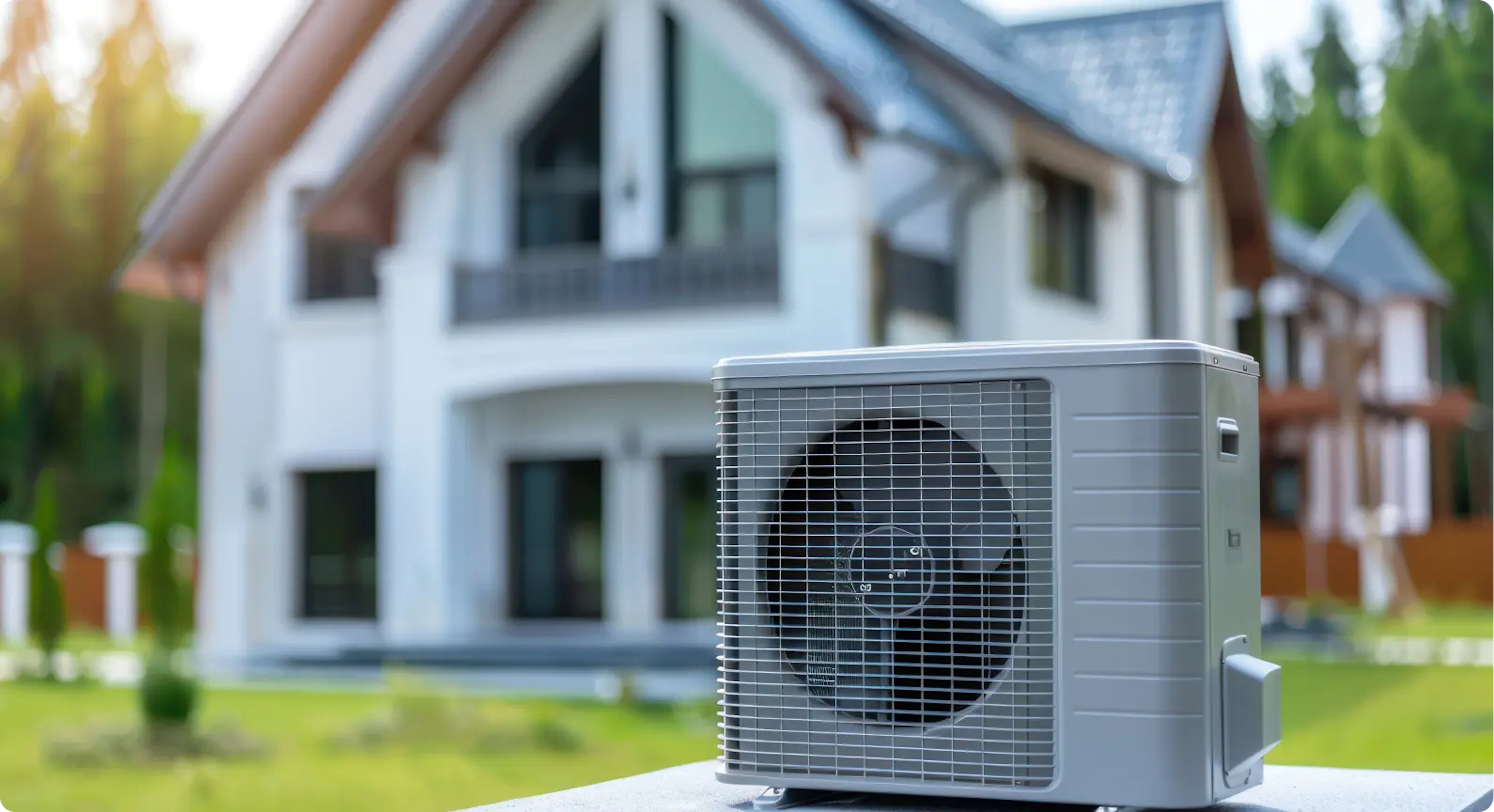
- Around the outdoor condenser unit, especially on humid Georgia mornings
- On the evaporator coil itself, tucked inside the air handler
- A slow, steady drip from the condensate drain line outside your home
If what you're seeing matches one of these three, you can breathe easy.
Where Condensation Signals a Problem ("Bad Condensation")
- Moisture around vents, registers, or the ceiling near a vent, often pointing to poor insulation or a duct issue
- Water leaking from vents or pooling at the base of the indoor unit or drain pan, which is one of the most common condensate drain line clogged symptoms
- Sweating ductwork in an attic or crawlspace
- Water stains on ceilings or walls near ductwork
If any of these sound familiar, it's worth a closer look before it becomes a bigger issue.
Why It Matters for Your Home
Moisture in the wrong place doesn't stay put. Left unchecked, it invites mold, mildew, and even wood rot into your home's structure, and it's almost always cheaper to catch early than to repair later. These are the kinds of HVAC water damage warning signs North Atlanta homeowners should keep an eye on, not because your system is failing, but because your home is your sanctuary, and small issues deserve a little attention before they grow. Both your indoor air quality and your system's long-term health are on the line, which is exactly why we treat this as a longevity issue, not a scare tactic.
What You Can Safely Check Yourself
A quick visual inspection is all we'd ever ask a homeowner to do. Look, don't touch, and don't attempt any repairs. If you're inspecting anything near your outdoor or indoor unit, always cut power at the breaker first. And regardless of whether your home runs on gas or is all-electric, a working carbon monoxide detector is still a smart, inexpensive safeguard.
Walk your attic, closets, or utility area and note anything that matches the "bad condensation" list above. That's it. From there, it's time to bring in an expert.
When to Call in a Temperature Tailor
If you've spotted anything beyond normal condenser sweat or a steady drain line drip, it's worth having one of our maintenance visits scheduled to take a look. We'll trace the source, whether it's a clogged condensate line, a duct issue, or something tied to your walk through exactly what we find- no upselling, no pressure. Connect with us to talk about tune-ups whenever you're ready, or ask about joining our Comfort Club for routine peace of mind.
Air Control Heating and Air is family-owned, GA License #CR110513, serving Roswell and North Atlanta since 1993.
 Industry Insights
How to Prepare Your HVAC System for Changing Seasons
 Air Conditioning
What to Look For In a New Air Conditioning System?
 Air Conditioning
Getting Your Home Ready for the Cooling Season