Give Your Attic a Winter Coat: Blown-In Insulation Is Now at Air Control


Is your upstairs bedroom always a few degrees off from the rest of the house? Does your furnace seem to run nonstop on chilly nights? The culprit might not be your heating system at all. It might be sitting right over your head.
The attic is where many North Atlanta homes quietly lose the comfort they pay for. That's why Air Control Heating and Air now offers professional blown-in attic insulation, in both cellulose and fiberglass. After more than 30 years of keeping North Atlanta homes comfortable, we're excited to help with the other half of the comfort equation!
How Much Can Better Insulation Save You?
According to ENERGY STAR, homeowners save an average of 15% on heating and cooling costs by air sealing their homes and adding insulation in attics, crawl spaces, and basements. The same source says 9 out of 10 U.S. homes are under-insulated.
Here's what a 15% cut could look like for your household:
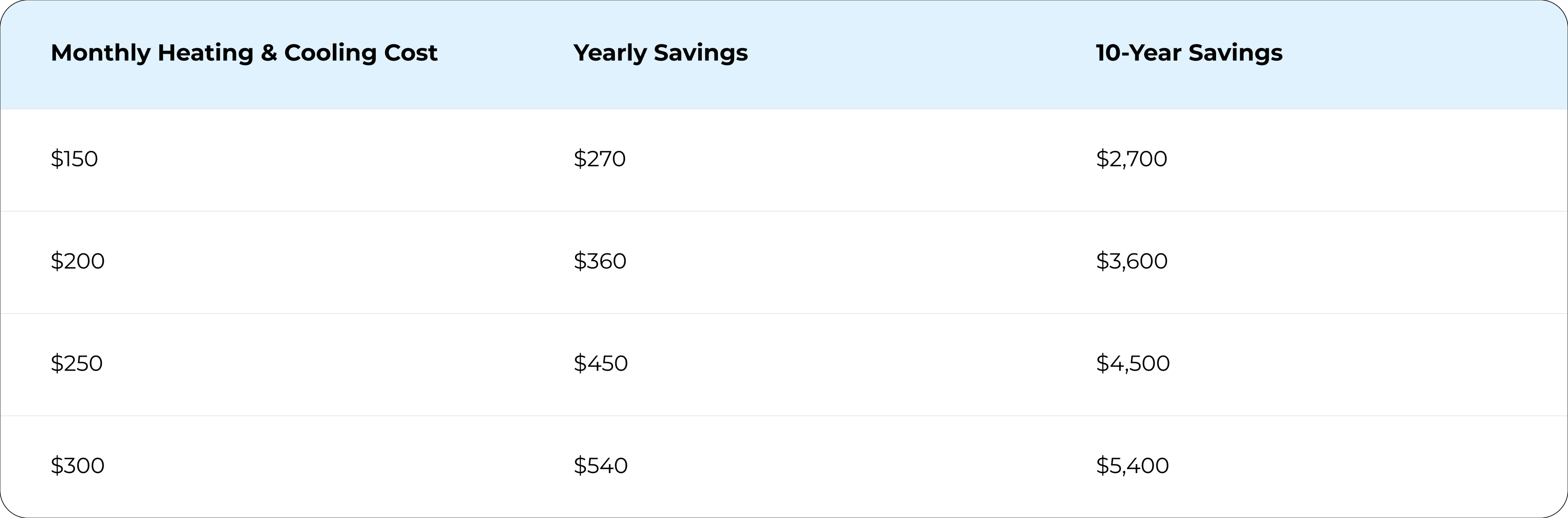
These numbers are illustrations, not promises. The 15% figure covers air sealing and insulation together, so insulation alone may save more or less. Your results depend on your current insulation, how your home is built, and how much energy you use. Ten-year totals assume steady energy prices.
The takeaway is simple. Insulation is one of the few home upgrades that keeps paying you back, year after year.
Schedule Your Attic Evaluation
Why Georgia Attics Work Overtime
Georgia homes get it from both sides. On a July afternoon, your attic can get far hotter than the air outside, and that heat presses down on the ceilings below. Your AC fights it all day long. In winter, the trip reverses: the warm air your furnace just made rises and slips out into a cold attic.
A thick, even layer of insulation slows that heat traffic in both directions. Your system reaches the temperature you set and holds it with less effort.
What you can expect after an upgrade:
- Lower heating and cooling bills, all year long
- Fewer hot and cold spots, especially upstairs
- Less runtime for your heating and cooling system
- A quieter home, since insulation dampens outside noise
Cellulose or Fiberglass: Which Is Right for You?
Both materials do the job well when they're installed at the right depth. Here's how they compare:
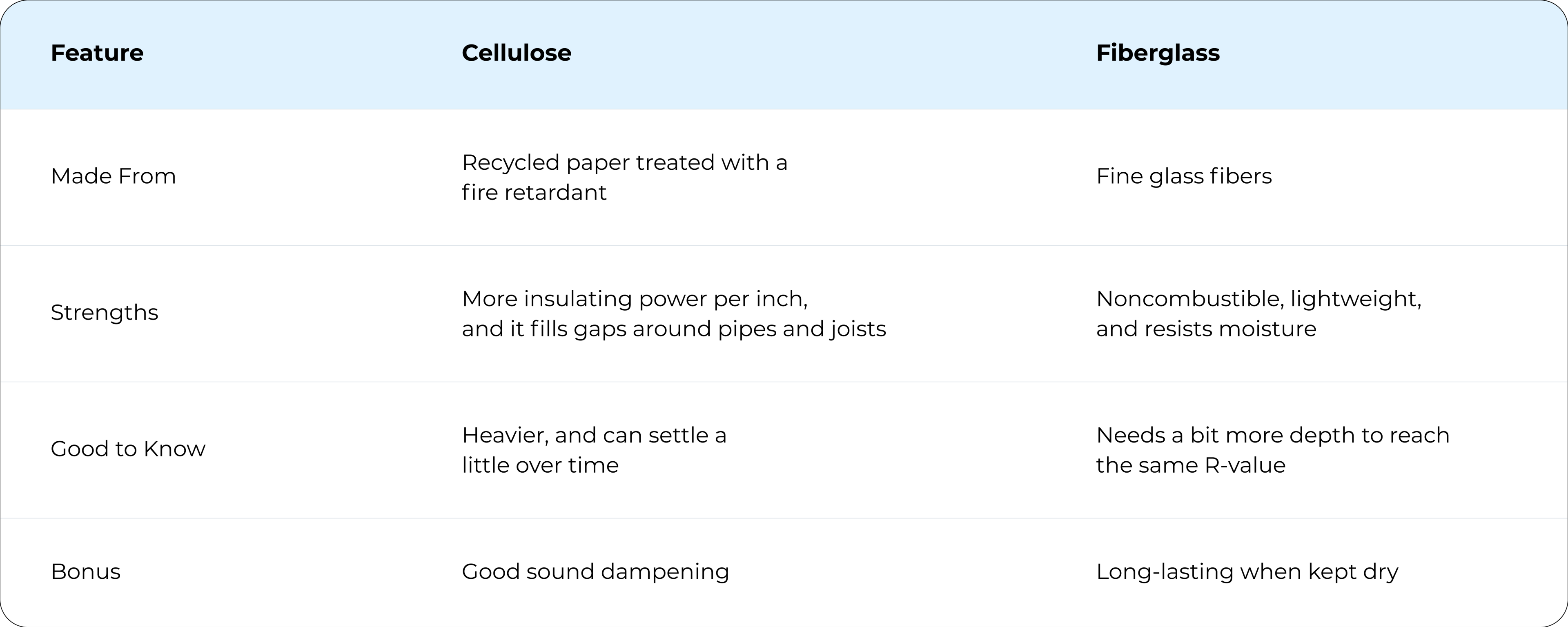
Not sure which fits your home? Don't sweat it. We'll look at your attic, explain the trade-offs, and give you an honest recommendation.
R-Value, Explained in Plain English
R-value measures how well insulation slows down heat. The higher the number, the better it works.
Most of North Atlanta sits in Climate Zone 3. For homes here, ENERGY STAR recommends about R-49 in an attic with no insulation. If you already have 3-4 inches, the guidance is to add about R-38 on top. Many older homes fall well short of that.
Going from R-19 to R-49 won't cut your bill by the same ratio. It will meaningfully reduce how hard your system has to work.
Is Your Attic Costing You? Five Telltale Signs
If any of these sound familiar, it may be time for a closer look:
- Energy bills creeping up without a clear reason
- Upstairs rooms that run hotter or colder than the rest of the house
- A heating or cooling system that seems to run nonstop in extreme weather
- A home more than 15-20 years old that's never had an attic upgrade
- Insulation that looks thin, patchy, or flattened, or floor joists you can easily see
Peeking Into Your Attic? Play It Safe
A quick look is fine, as long as you're careful:
- Step only on joists or a solid walkway. The ceiling drywall between them won't hold your weight.
- Wear gloves, long sleeves, and a dust mask, and bring a good flashlight.
- Don't touch any wiring. If you need to work near light fixtures or wires, turn off the power at the breaker first.
- If you see gray-brown, pebble-like insulation, leave it alone. It may be vermiculite, which can contain asbestos, so have a qualified professional test it before anyone disturbs it.
Or skip the ladder altogether. Our team will check your insulation depth and coverage.
How Our Insulation Process Works
- Look. We check the depth, condition, and coverage of your current insulation.
- Plan. We spot gaps, thin areas, and accessible air leaks, then set an R-value target for your home.
- Recommend. We walk you through cellulose and fiberglass and help you choose.
- Prep. If old insulation is damaged or contaminated, our professional insulation vacuum removes it. We also keep attic vents clear and give recessed light fixtures the clearance they need.
- Install. Our professional-grade blowing machine spreads the new insulation evenly, even into tight corners, to the depth your target calls for.
If your existing insulation is in good shape and needs a top-off, we'll tell you. There's no reason to tear out what's still working.
Why Call an HVAC Company About Insulation?
Your heating and cooling system and your insulation are teammates. One makes the comfortable air. The other keeps it from escaping. When insulation falls short, even a high-efficiency system has to work harder than it should.
Our NATE-certified temperature tailors see that connection every day. While we're in your attic, we can also spot ductwork that needs attention and talk through how insulation fits with your regular maintenance.
Can better insulation help your system last longer? We can't promise that. Less runtime does mean less wear, though, and that's good news for any system.
One more note: a tighter, better-insulated home is great, but make sure you have working carbon monoxide detectors on every level. That goes for all-electric homes, too.
Serving Roswell to Cherokee County
Air Control Heating and Air has served North Atlanta since 1993. As a family-owned company, we believe in honest advice, quality work, and treating your home like the sanctuary it is.
Blown-in attic insulation is available throughout our service area, including Roswell, Alpharetta, Milton, Johns Creek, Cumming, Dunwoody, Sandy Springs and Brookhaven. We also serve Cherokee County communities like Woodstock, Canton, Holly Springs, and Waleska.
Frequently Asked Questions
How much can attic insulation lower my energy bill?
That depends on your home's current insulation, construction, and energy use. ENERGY STAR estimates an average 15% savings on heating and cooling from air sealing and insulation together. An attic evaluation will give you a clearer picture.
Can new insulation go over my old insulation?
Often, yes. If your existing insulation is dry, clean, and in decent shape, we can usually blow new insulation right over it. Damaged or contaminated insulation should come out first.
Is cellulose or fiberglass better?
Neither wins every time. Cellulose packs more insulating power per inch and fills gaps well. Fiberglass is lightweight, noncombustible, and resists moisture. We'll help you pick based on your attic.
How long does blown-in insulation last?
Installed correctly and kept dry, it can work well for decades. Roof leaks, pests, and foot traffic in the attic can shorten that.
Will better insulation cool down my upstairs rooms?
It can help a lot. Less heat sinks from a hot attic into the rooms below, so upstairs bedrooms stay closer to your thermostat setting.
Tuck Your Home In for Winter
Too warm upstairs in summer? Too chilly in winter? Your attic may be the missing piece. Connect with us to schedule an attic insulation evaluation, and we'll give you an honest look at what your home needs. Call 770-667-5300 or request service online.
Schedule Your Attic Evaluation
Sources: ENERGY STAR, Why Seal and Insulate? and Recommended Home Insulation R-Values. Actual savings vary by home and project.
 Industry Insights
How to Prepare Your HVAC System for Changing Seasons
 Air Conditioning
What to Look For In a New Air Conditioning System?
 Air Conditioning
Getting Your Home Ready for the Cooling Season