5 DIY HVAC Maintenance Tasks to Do and 5 to Leave to Pros

Some HVAC maintenance tasks are safe and practical for homeowners, but others should always be handled by a licensed technician. Basic upkeep can improve efficiency and extend the life of your system, but more technical repairs involve safety risks, specialized tools, and code requirements. This guide breaks down which jobs you can confidently handle yourself and which are best left to a certified HVAC professional.
5 DIY HVAC Maintenance Tasks Homeowners Can Handle
Staying on top of basic homeowner HVAC care doesn't require a toolbox full of specialized equipment. These five tasks are safe, straightforward, and make a measurable difference in your system's performance.
1. Change Your Air Filters. Replacing air filters every 60-90 days (closer to every 30 days if you have pets, allergies, heavy system use, or poor indoor air quality) is the single most impactful thing you can do for your system. Clogged filters force your HVAC to work harder, raising energy bills and accelerating wear. Check the filter monthly and swap it when it looks gray and congested.
2. Clean Your Supply and Return Vents. Dust and debris accumulate inside vent covers over time, restricting airflow and reducing indoor air quality. Remove vent covers, wipe them down, and use a vacuum attachment to clear the first few inches of ductwork. This takes 20 minutes and costs nothing.
3. Test and Program Your Thermostat: Verify that your thermostat is reading accurate temperatures and responding correctly when you adjust settings. If you're still using a manual thermostat, upgrading to a programmable or smart model is a DIY-friendly swap that can cut energy costs by up to 10% annually.
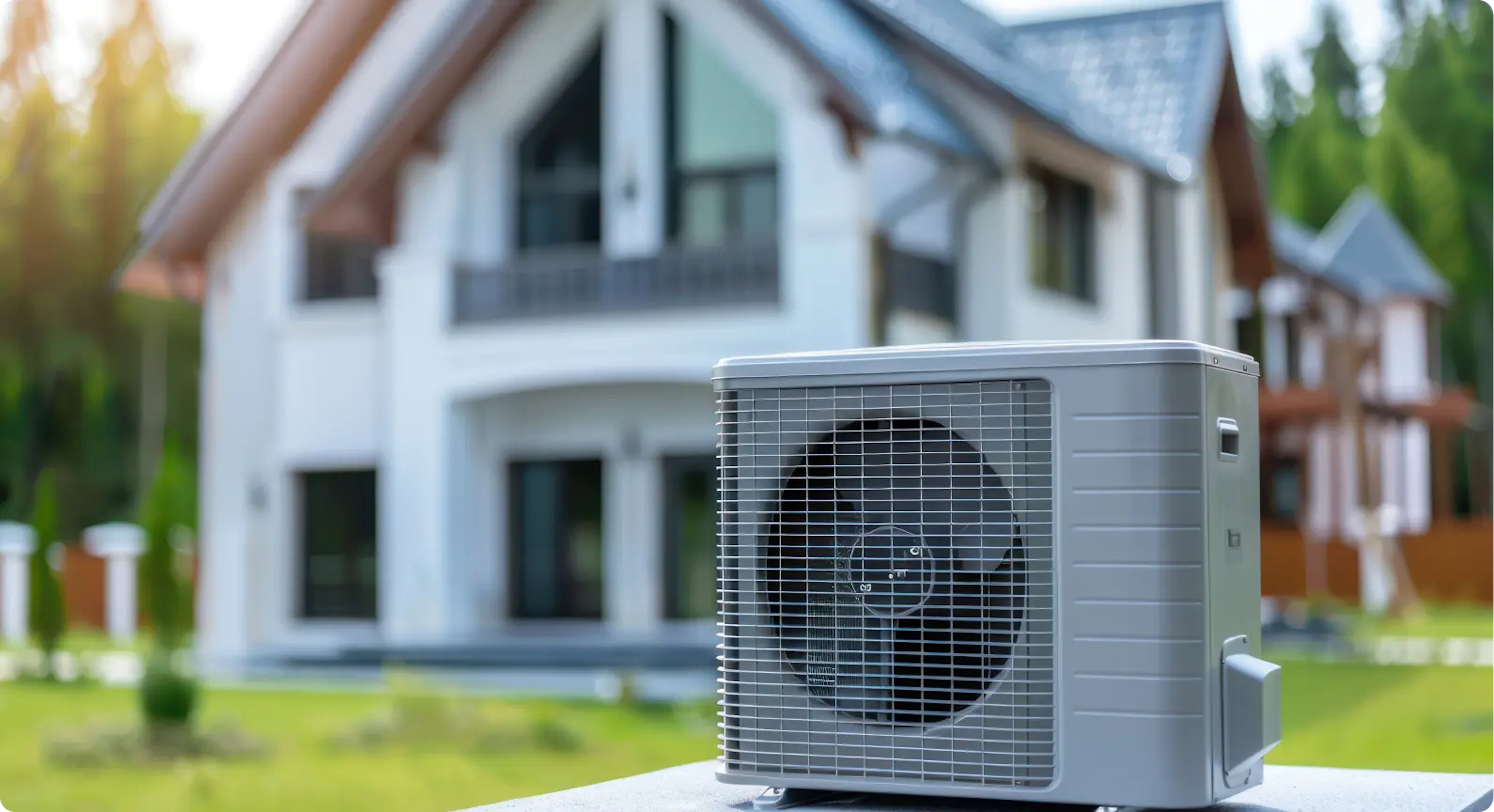
4. Clear Debris from the Outdoor Unit: Leaves, grass clippings, and dirt accumulate around your outdoor condenser unit and restrict airflow. Turn off the unit at the disconnect box, then clear at least two feet of space around the cabinet. Gently rinse the exterior fins with a garden hose; never use a pressure washer.
5. Conduct a Visual Inspection. Walk through your home and inspect visible components: check refrigerant lines for ice buildup or oil stains, listen for unusual sounds during operation, look for water pooling near the air handler, and note any rooms that feel noticeably warmer or cooler than others. Catching problems early saves money on repairs.
5 HVAC Maintenance Tasks to Leave to the Professionals
Some HVAC maintenance tips come with a firm caveat: if the task involves refrigerant, electrical components, or precision diagnostics, it belongs on a licensed technician's work order — not yours.
1. Refrigerant Level Checks and Recharging: Refrigerant is a controlled substance that requires EPA Section 608 certification to handle. Low refrigerant is also a symptom of a leak, not simply a fluid to top off. A technician will find and repair the source before recharging the system.
2. Electrical Component Inspection and Repair: Capacitors, contactors, and wiring inside your HVAC system can carry lethal voltage even when the unit is powered down. HVAC safety demands that any work involving electrical components be performed by a licensed technician with the proper equipment.
3. Evaporator and Condenser Coil Cleaning: While clearing debris from the exterior is safe for homeowners, deep coil cleaning uses chemical solvents and pressurized equipment that can damage delicate fins and void manufacturer warranties if applied incorrectly. Professionals clean coils thoroughly without causing harm.
4. Airflow and Static Pressure Diagnostics: Uneven heating and cooling, weak airflow, and pressure imbalances require diagnostic instruments such as manometers and flow hoods to pinpoint accurately. Guessing at ductwork problems without data leads to ineffective fixes and wasted money.
5. Full System Tuning and Safety Check: A seasonal tune-up includes calibrating refrigerant charge, measuring voltage and amperage draws, testing safety controls, lubricating moving parts, and verifying system efficiency. This comprehensive inspection protects your warranty and gives you documented proof that your equipment was professionally serviced.
Why Professional HVAC Service Matters
Routine professional service isn't just about fixing what's broken; it's about preventing problems before they start. Manufacturers require documented annual maintenance to honor most equipment warranties, meaning a skipped tune-up could void coverage on a repair that costs thousands. Beyond warranty protection, professionally serviced systems run more efficiently, last longer, and maintain safer indoor air quality. Technicians can also identify hazards that homeowners have no reliable way to detect on their own, like cracked heat exchangers that leak carbon monoxide. The easiest way to stay covered year-round is enrolling in a maintenance agreement, so professional service gets scheduled automatically, and nothing falls through the cracks.
When to Schedule Professional HVAC Maintenance
The best time to book a professional tune-up is before your system faces its heaviest workload. Schedule heating maintenance in early fall, before temperatures drop, and cooling maintenance in early spring, before the summer heat arrives. Waiting until your system struggles leaves you competing for appointments during peak season and paying emergency service rates if something fails.
Take the Guesswork Out with a Maintenance Agreement
If keeping up with seasonal tune-ups feels like something that always gets pushed to the back burner, a maintenance agreement is the simplest fix. Our plans put professional service on a set schedule so your system gets the attention it needs before problems develop, not after. You get priority scheduling, documented service records, and the peace of mind that your warranty stays protected.
Right now, we're offering 25% off all new maintenance agreements. It's the best time to get covered before the next season hits. Learn more about our maintenance plans here.
A well-maintained HVAC system is a reliable one. Handle what you safely can, and trust the rest to a licensed professional who has the tools, training, and certification to keep your home comfortable year-round.
 Industry Insights
How to Prepare Your HVAC System for Changing Seasons
 Air Conditioning
What to Look For In a New Air Conditioning System?
 Air Conditioning
Getting Your Home Ready for the Cooling Season