Do You Need a Whole-Home Air Purifier? Pros, Cons & Real Costs

If you’re dusting the same surfaces every few days, dealing with lingering odors, or noticing that allergies feel worse at home than outside, your HVAC system may be recirculating more than clean air. A whole-home air purifier works inside that system to filter and treat air before it reaches each room.
The question isn’t whether these systems work. It’s whether your home actually needs one—and if so, which type makes sense.
What a Whole-Home Air Purifier Actually Addresses
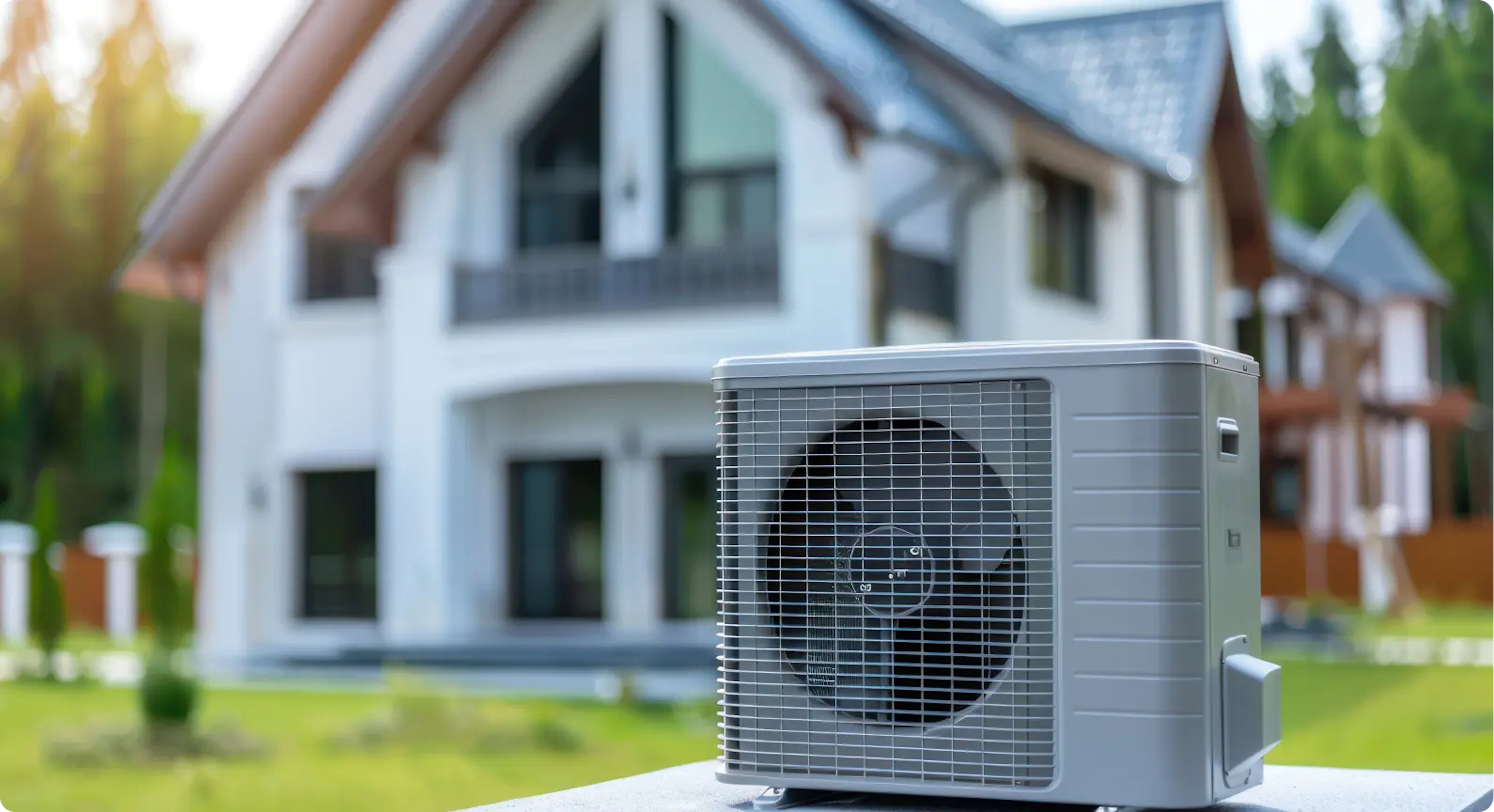
A whole-home air purifier connects directly to your HVAC system and treats air as it moves through it. Instead of cleaning one room at a time, it works across the entire house every time your system runs.
These systems are built to reduce:
- Dust that settles quickly after cleaning
- Pet dander that circulates through vents
- Allergens like pollen entering from outside
- Bacteria and other biological contaminants
- Odors that linger from cooking, pets, or stale air
If your home feels clean for a day and then looks dusty again, or if the air feels heavy even when the system is running, those are the types of problems these systems are designed to address.
Common Types of HVAC Air Purifiers
Not all indoor air purification systems solve the same problems. Choosing the right one depends on what you’re actually dealing with.
Media Filters
Media filters are a step up from standard HVAC filters. They use thicker material and more surface area to capture smaller particles as air passes through.
For many homes, this is enough. If your main issue is visible dust, pollen, or pet dander, a high-quality media filter can improve air quality without adding complexity. It won’t address odors or bacteria, but it handles the most common air quality concerns effectively.
UV Systems
UV systems use ultraviolet light inside the HVAC system to neutralize microorganisms. They don’t capture particles like dust, but they target biological buildup within the system itself.
This makes them useful if you’re concerned about mold, bacteria, or musty odors coming from the system. In most cases, they work best alongside filtration rather than replacing it.
Electronic Air Cleaners
Electronic air cleaners charge airborne particles and pull them out of circulation as air moves through the system. They can capture finer particles than standard filters, which can help in homes with persistent air quality issues.
They’re typically a better fit when basic filtration hasn’t solved the problem—such as ongoing dust despite regular filter changes or sensitivity to fine particles. They do require more maintenance and need to be properly matched to the system to perform consistently.
Benefits and Limitations of a Home Air Cleaner
A properly installed home air cleaner can reduce how often dust builds up, improve airflow, and make indoor air feel noticeably cleaner—especially in homes with pets or allergy concerns.
But not every home needs one.
If your system is well-maintained and a standard filter keeps dust and allergens under control, adding a purifier may not change much. On the other hand, if dust returns quickly, airflow feels restricted, or odors linger, filtration alone may not be enough.
Each system also has limits. Some are better at capturing particles than addressing odors. Others target biological contaminants but don’t affect visible dust. The right choice depends on the problem you’re trying to solve.
What Does a Whole-Home Air Purifier Cost?
Air purifier cost depends on the type of system and how easily it integrates with your existing HVAC setup.
Media filters are usually the most affordable option and often require minimal modification. UV systems add cost, especially when combined with upgraded filtration. Electronic air cleaners tend to have higher upfront costs and ongoing maintenance.
Installation varies based on system age, ductwork condition, and compatibility. A newer HVAC system may already support upgrades, while older systems sometimes require adjustments to accommodate indoor air purification equipment.
Signs It May Be Time to Consider One
You don’t have to guess. Certain patterns usually point to a need for better HVAC air quality control:
- Dust returns within a day or two of cleaning.
- Allergy symptoms are worse indoors than outside.
- Odors linger even after cleaning or ventilation.
- Your home has pets or high indoor traffic.
- Air feels stale even when the system is running.
If you’re noticing one or more of these consistently, it’s usually a sign that basic filtration isn’t solving the problem.
Choosing the Right Indoor Air Purification System
A whole home air purifier should solve a specific issue—not add unnecessary complexity.
At Air Control Heating and Air, we focus on what your home actually needs. In many cases, a high-quality filter is enough. In others, adding UV or advanced filtration makes a measurable difference. We’ll walk you through the options, explain what each system does, and recommend what fits your situation.
If you’re dealing with persistent dust, odors, or air quality concerns, call us or request service. We’ll help you find a solution that improves your air without overselling what you don’t need.
 Industry Insights
How to Prepare Your HVAC System for Changing Seasons
 Air Conditioning
What to Look For In a New Air Conditioning System?
 Air Conditioning
Getting Your Home Ready for the Cooling Season