How to Winterize Your HVAC System

HVAC systems that aren’t properly winterized are more likely to break down when you need them most. In this guide, we’ll explain why winterizing matters and outline practical steps you can take to prepare your HVAC system for the cold season.
Why Winterizing Your HVAC System Is Essential
When temperatures drop, heating systems run longer and it’s harder to maintain indoor temperatures. Winterizing your HVAC system offers several important benefits:
- Protects your system from the elements. Snow, ice, freezing temperatures, and debris increase wear and tear on your HVAC system. Winterizing protects critical components and extends the unit's lifespan.
- Reduces the risk of costly repairs. A neglected HVAC system can have hidden issues, such as chewed wires from rodents, a corroded pump, or leaves blocking airflow.
- Improves energy efficiency. A well-maintained system uses less energy and heats the home more evenly. This brings lower energy bills and a more comfortable indoor environment.
- Maintains air quality. Clean filters and proper airflow help reduce dust and allergens in your home.
- Addresses wear and tear early. Fixing minor issues before winter begins helps prevent bigger problems when you need your system the most.
- Prevents freezing. Checking for proper insulation and protective covers can prevent your HVAC unit from freezing in the winter.
Winterizing your HVAC is critical for your comfort and health, as well as for keeping your system running reliably throughout the season.
Steps Homeowners Can Take to Winterize Their HVAC System
There are several steps homeowners can take to winterize their system.
- Disconnect the power. Before working on any electrical components, disconnect the power to prevent shock or injury.
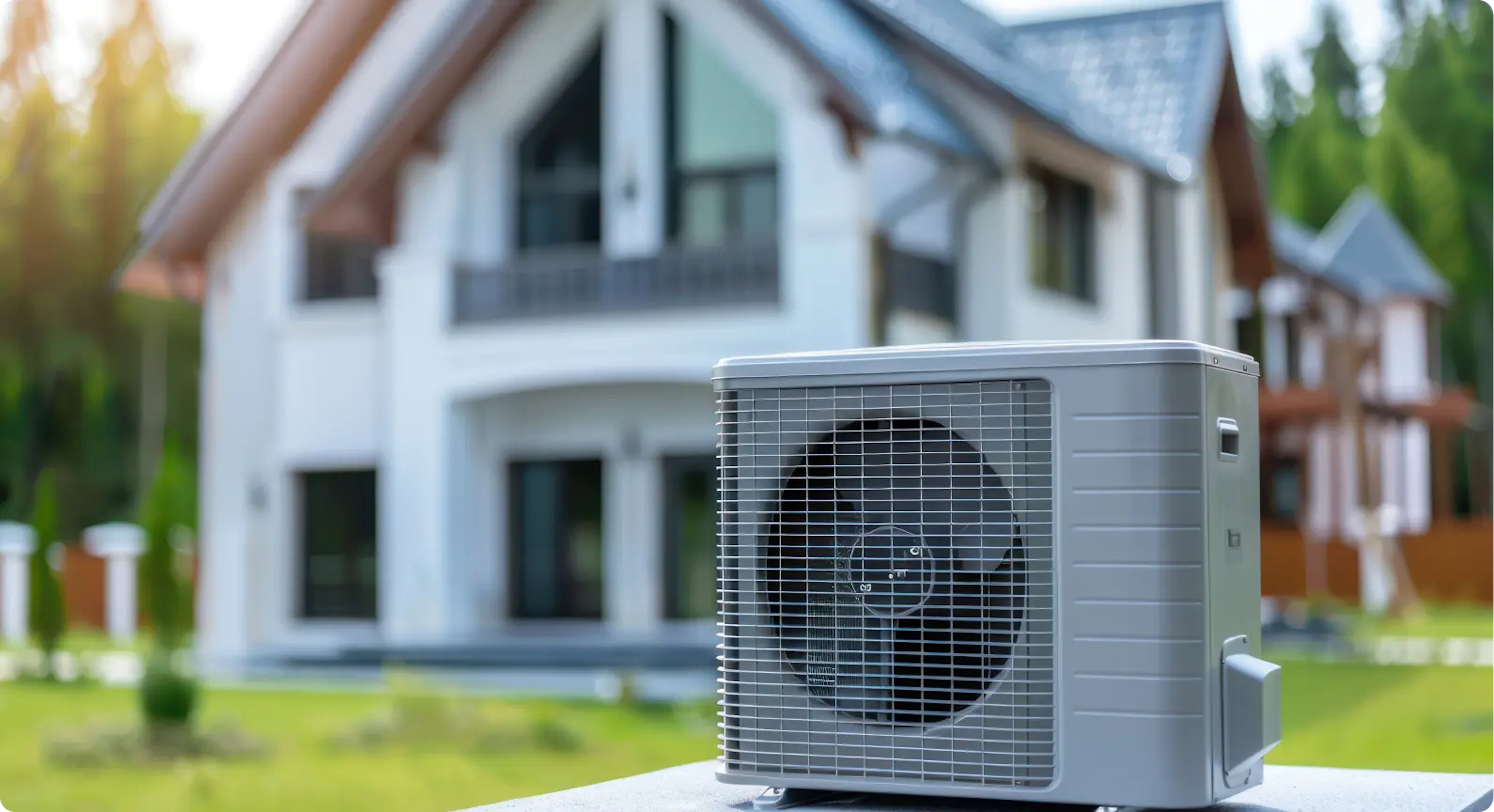
- Clean your outdoor unit. Clear out any leaves, dirt, nests, and other debris. Inspect the parts for chewing, exposed wires, corrosion, and other issues. Wash the outdoor unit with a hose or according to the manufacturer’s instructions.
- Replace or clean your air filters. Dirty filters restrict airflow, forcing the system to run longer and increasing strain on critical parts. Vent filters should be checked monthly, and the HVAC system filters should be inspected at least twice a year. All filters should be replaced or cleaned as recommended by the filter’s manufacturer.
- Check and seal your ductwork. Check for signs of damage or loose joints. Sealing leaks helps improve airflow and ensures heated air reaches living areas.
- Inspect insulation around your home. Proper insulation supports HVAC performance by keeping warm air inside the home. Also, make sure to insulate any exposed HVAC pipework. This will prevent damage from condensation and freezing.
- Test your thermostat. Switch the thermostat to heating mode and confirm that warm air is delivered consistently. Use a thermometer to make sure the registered temperature matches the actual temperature.
If you notice any issues, schedule a professional repair or tune-up before colder weather sets in.
The Value of Professional Winter HVAC Preparation
While DIY maintenance is useful, professional HVAC maintenance services provide a deeper level of protection and peace of mind.
A winter HVAC tune-up by licensed and insured experts includes services like:
- A comprehensive inspection
- Cleaning and adjusting system components to ensure safe and efficient operation
- Checking for wear, breaks, and corrosion
- Expert suggestions to protect your system, such as where to insulate pipework to prevent costly damage.
- Checking safety controls, airflow, and heating efficiency
Some companies offer discounts or promotions on related repairs and services, or service plans that provide regular maintenance, tune-ups, and services at a predictable, affordable rate.
Winterizing Your HVAC Protects Long-Term Performance
Regular winter HVAC maintenance is an investment in the system’s performance and lifespan. When you choose Air Control Heating and Air, you're not just hiring an HVAC contractor—you're gaining a trusted partner dedicated to your comfort, safety, and satisfaction. Call us today to see how we can help keep your HVAC system maintained year-round.
 Industry Insights
Preparing Your HVAC for the Changing Seasons
 Air Conditioning
What to Look For In a New Air Conditioning System?
 Air Conditioning
Getting Your Home Ready for the Cooling Season